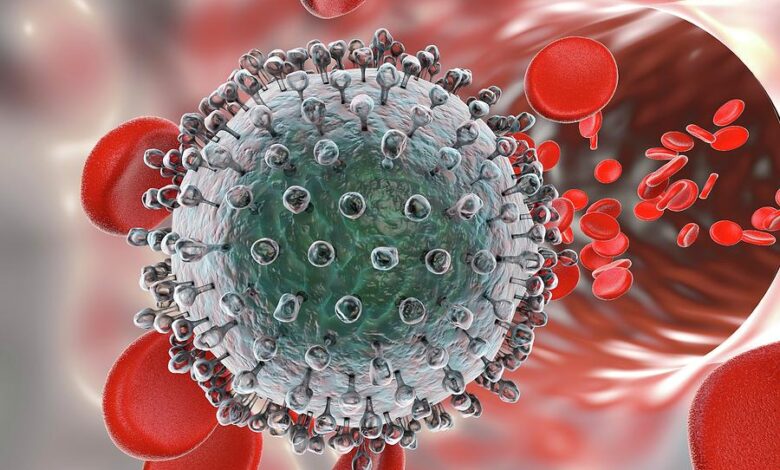
Prepared by the researche : Saif Jabbar Yasir1, Majida Hameed Obaida2
- 1Department of Medical Microbiology, College of Medicine, University of Kufa, Najaf, Iraq.
- 2Al-Furat Al-Awsat Technical University, Najaf Technical Institute, AL Najaf, Iraq
DAC Democratic Arabic Center GmbH
Journal of Progressive Medical Sciences : Third issue – November 2025
A Periodical International Journal published by the “Democratic Arab Center” Germany – Berlin
ISSN 3052-8518
Journal of Progressive Medical Sciences
:To download the pdf version of the research papers, please visit the following link
Abstract
Virophages are distinctive parasitic viruses that replicate solely within the viral factories of co-infecting giant viruses (GVs), exerting considerable molecular, ecological, and evolutionary effects on host–virus systems. This study offers a comprehensive synthesis of virophage molecular biology, emphasizing structural factors influencing ligand-receptor recognition, genome organization, transcriptional and translational reliance, host and viral tropism, and mechanisms that disrupt giant-virus replication. Structural analyses demonstrate that virophage capsids possess double-jelly-roll major capsid proteins and specialized surface protrusions, including trimeric fiber-head-like receptor-binding folds, which facilitate attachment to glycosylated GV fibrils and enable hitchhiking-based co-entry into protist hosts.
Virophage genomes, usually 17–30 kb dsDNA, contain compact replication modules, packaging ATPases, primase/helicase-like proteins, integrases (in certain lineages like mavirus), and regulatory elements that have evolved to work with the transcriptional machinery of their helper GVs. Once inside the GV viral factory, virophage gene expression follows a pattern of early, middle, and late stages that are mostly controlled by giant-virus polymerases and host ribosomes. RNA metabolism is limited. Capsid–fibril compatibility, promoter recognition specificity, replication-module matching, and viral defense systems like MIMIVIRE, which limit some virophage lineages (like Zamilon), all play a role in host and GV tropism. Integrated provirophage forms, particularly mavirus, exhibit alternative replication strategies that include host-genome integration and giant-virus–induced reactivation, thereby offering sustained antiviral defense at the population level. Virophage infection alters giant-virus transcription, hinders virion assembly, and diminishes GV burst sizes, resulting in significant ecological impacts such as host protection, modification of microbial community structure, and regulation of aquatic viral dynamics.
Virophages have been exchanging genes with giant viruses, polintons/Maverick transposons, and eukaryotic genomes for a long time, which helps to diversify mobile elements. Even though cryo-EM, comparative genomics, and metagenomics are giving us more information, we still don’t know the answers to some basic questions about the exact GV receptors, the quantitative biophysical affinities, the processes that RNA goes through to mature, and the evolutionary pressures that are causing virophage–GV arms races. This in-depth study shows that virophages play a big role in virus–virus parasitism, microbial ecology, and genome evolution. It also shows that more advanced structural, biochemical, and ecological research is needed.
Molecular ligands on virophages
Capsid proteins and surface spikes/fibers: The major components of virophage external surfaces are capsid proteins that can present protruding domains or fiber-like structures which act as primary attachment ligands. Structural cryo-EM of Sputnik revealed an icosahedral capsid with surface features consistent with receptor-binding domains. [1]. Receptor-binding (fiber-head-like) folds: Comparative structural work indicates that some virophage proteins adopt a trimeric “fiber-head” fold—a common viral receptor-binding architecture—suggesting direct ligand-receptor recognition similar to other viruses. [2]. Accessory proteins (e.g., integrases packaged in capsid): Some virophages (notably mavirus) package integrase or recombinase enzymes that, while primarily responsible for genome integration, may be linked genetically or functionally to surface genes that influence host/viral interactions. [3,4].
Putative receptors and attachment targets
Giant-virus capsid fibrils as attachment platforms: Several cultured virophages (e.g., Sputnik) attach specifically to fibrils or fibers decorating the capsid of their helper mimiviruses; these fibrils act as the initial binding substrate enabling co-entry into amoebal hosts. [5,6]. Glycan decorations and carbohydrate moieties: Giant viruses display complex glycans on their surface and produce carbohydrate-processing enzymes; glycan motifs on GV fibrils or capsids are plausible receptor determinants for virophage ligand recognition, although direct biochemical identification is limited. [7,8].. Host cell receptors (uncertain / indirect): Unlike orthodox viruses that bind host plasma membrane receptors, many virophages rely on co-packaging/co-entry with GVs and thus may not require a dedicated host-cell receptor; for some virophage–GV systems, entry appears to be mediated primarily through GV-mediated phagocytosis or by hitchhiking on GV surface structures rather than binding a distinct host cell protein. [5,9].
Mechanisms of attachment and entry
Co-entry (hitchhiking) with giant viruses: The dominant model for many described virophages is that they bind to GV capsid fibrils and are internalized when the GV particle is taken up by phagocytosis into the protist host, delivering both the GV and attached virophage into the cytoplasmic viral factory. [5,6]. GV-independent entry (evidence for exceptions): Some virophages or provirophage-related elements (e.g., mavirus) have life histories that include genome integration into the eukaryotic host genome and reactivation upon GV infection; such integration and reactivation imply alternative entry/propagation modes not strictly dependent on binding GV fibrils. [3] Host-range determinants and specificity according to Mutational analyses and isolation of lineage-specific virophages (e.g., Zamilon’s specificity for Mimiviridae group C) indicate that variation in virophage surface ligands and corresponding GV surface features determines host (helper-virus) range. [10,11].
Structural evidence linking ligands to receptor recognition
High-resolution cryo-EM (e.g., Sputnik) demonstrates organized capsid architecture with candidate protrusions for binding. Comparative structural analyses propose that virophage receptor-binding proteins use folds (trimeric fiber-head or related domains) analogous to those utilized by diverse eukaryotic viruses for high-affinity receptor interaction. These structural similarities support a model in which specific protein–protein or protein–glycan contacts mediate virophage attachment to GV surfaces. [2,12].
Molecular genetics: genes implicated in attachment/tropism
Genomic surveys of lavidaviruses reveal conserved ORFs encoding capsid proteins and variable genes predicted to encode surface-exposed domains; lineage-specific genes correlate with observed differences in tropism and sensitivity to GV defense systems (e.g., MIMIVIRE). Integrase and recombinase genes affect provirophage behavior and may indirectly influence ligand repertoires via recombination. [4,3].
Outstanding questions and experimental needs
Direct receptor identification: No definitive biochemical isolation of a specific proteinaceous host receptor for any virophage has been universally accepted; targeted pulldown, glycan arrays and cryo-EM of virophage–GV complexes at higher resolution are needed. [9]. Molecular determinants of specificity: Mutagenesis of candidate fiber-head domains and reciprocal swaps between virophages could test causal relationships between sequence variation and helper-virus specificity. [11.2]. Role of GV glycobiology: Given the complex glycan biosynthetic capacity of giant viruses, biochemical mapping of GV surface glycomes and their binding to virophage ligands is a priority. [7,8].
Genome organization and conserved genes
Typical virophage genomes are ~15–30 kb circular dsDNA and encode ~15–30 predicted proteins. Conserved hallmark genes across virophages include the major capsid protein (MCP), a packaging ATPase (or FtsK/HerA-like ATPase), a DNA packaging/primase-like protein, and often a DNA-dependent polymerase or integrase in some lineages. Genome size and gene content are compact relative to giant viruses, but with notable diversity and gene sharing with other mobile elements (polintons/Mavericks). [13,14].
Capsid architecture and structural proteins
Virophage particles are non-enveloped icosahedral capsids built mainly from the MCP and one or more minor capsid (penton) proteins. High-resolution cryo-EM of Sputnik reveals a pseudo-hexameric lattice and a T-number consistent with complex organization, reflecting canonical dsDNA virus capsid assembly principles despite small genome size. [15]. Cryo-EM and crystallographic studies show virophage capsids possess canonical double jelly-roll folds in their major capsid proteins reminiscent of other dsDNA viruses, and differences in surface loops and accessory proteins likely mediate interactions with the giant virus factory environment and possibly with helper virus capsid/membrane components [b2,3]. These structural features constitute primary molecular determinants that influence the ability of a virophage particle to co-localize to and enter the viral factory microenvironment where replication occurs. [16,17].
Biophysical and biochemical approaches
Direct biophysical measures (surface plasmon resonance, biolayer interferometry, isothermal calorimetry) applied to purified virophage capsid proteins versus candidate giant-virus factory proteins or peptides can quantify binding constants (K_D) and kinetics; however, few published studies have reported such measures for virophage-helper interactions to date. Structural cryo-EM and integrative modeling provide atomistic hypotheses for interaction sites that can be probed by mutagenesis and affinity assays [16,17]. In vivo functional affinity (i.e., infectivity assays at graded virophage: giant virus ratios, plaque-like assays in permissive amoebae or flagellates) complements in vitro binding data to reveal functional thresholds for productive parasitism [16,17,19].
Replication cycle dependence on giant-virus factories and Replication module compatibility (transcription/replication proteins)
Virophages do not replicate independently in the host cytoplasm; they replicate inside the viral factory (viroplasm) established by the co-infecting giant virus. After coinfection of the protist host, the virophage genome is transcribed and replicated using a combination of virally supplied factors and its own proteins within the viral factory; virophage reproduction often reduces the productivity (burst size and/or particle integrity) of the giant virus. [19,20,21]. Virophage genomes encode replication-related proteins (e.g., packaging ATPases, DNA helicases, primase-like proteins) that interact with the helper virus replication machinery or exploit the factory’s pools of transcription/replication proteins. Compatibility or incompatibility between virophage-encoded factors and helper virus proteins can determine whether productive replication occurs; differences in such proteins explain part of the observed lineage-specific host ranges (for example, why some virophages replicate with several Mimiviridae lineages while others are restricted) [22,23].
Genome organization and coding capacity (basis for expression)
Virophage genomes are compact (typically ~17–30 kilobase pairs) and encode ~15–30 predicted proteins, including capsid proteins, minor structural proteins, predicted integrases (in some virophages like Mavirus), DNA-processing enzymes (e.g., primase/helicase or PolB homologues in some lineages), and several ORFs of unknown function. The small coding capacity constrains their ability to encode extensive transcriptional or translational machinery and predisposes virophages to rely on factors provided by co-infecting giant viruses or the eukaryotic host. [22,23,24]
Most virophages synthesize their RNAs within the giant-virus replication factory that forms in the infected eukaryotic cell cytoplasm or nucleus, colocated with giant-virus DNA replication and transcriptional complexes [25,26]. Two broad modes have been inferred from comparative genomics and experimental work: (A) dependence on the giant virus — many virophages lack a complete, dedicated multisubunit RNA polymerase and therefore rely on the giant virus’s transcription apparatus (or polymerase subunits and transcription factors) for mRNA synthesis; (B) partial independence — some virophage genomes encode replication or transcription-related proteins (e.g., viral-type DNA polymerase B or integrases) and in a few cases show genes that could support limited autonomous nucleic-acid metabolism, although not a full transcriptional machinery comparable to NCLDVs [27,28,29,30]. Evidence that Sputnik transcription is temporally linked to giant-virus gene expression supports the model that virophage RNAs are produced by or with components supplied by the giant virus. [31,32].
Temporal regulation of virophage gene expression
Transcriptional profiling and temporal studies indicate that virophage gene expression generally follows the temporal program of the co-infecting giant virus: early, intermediate, and late waves tied to the giant virus life cycle. In experimentally profiled systems (e.g., Acanthamoeba + Mimivirus ± Sputnik), virophage gene expression often initiates after the giant virus begins its own transcriptional cascade, suggesting dependency on factors or conditions established by the giant virus factory [23,33,34]. Recent time-course transcriptomics show that virophage transcriptional onset coincides with or follows expression of giant-virus transcription-related genes, and in some cases virophage infection perturbs giant-virus transcriptional regulation. [23,33,34].
Promoters, regulatory sequences, and gene architecture
Sequence analyses of virophage genomes have revealed conserved short motifs upstream of coding sequences consistent with promoter elements, though their exact recognition motifs vary between virophage lineages and often resemble motifs used by their associated giant viruses [27,28]. Because many virophages replicate inside giant-virus factories, promoter compatibility with giant-virus transcription factors offers an evolutionary advantage and explains the tendency of virophage promoter motifs to mirror those of corresponding giant-virus hosts. Experimental verification of promoter function remains limited to a few systems, so mechanistic detail is still emerging. [35]
RNA processing and maturation
Direct evidence for complex RNA processing (e.g., splicing, polyadenylation) in virophages is sparse. Available transcriptome data indicate that virophage transcripts are typically short, presumably polyadenylated by the giant-virus or host-provided machinery, and translated without extensive processing; canonical eukaryotic splicing signals are generally absent or rare in virophage genes. The small genome size and compact gene organization argue against heavy reliance on spliceosomal processing. [28,32,36]
Translation: reliance on host ribosomes and translation factors
Virophages do not encode ribosomal proteins and generally lack complete sets of tRNAs or translation initiation factors; accordingly, virophage mRNAs are translated by the host eukaryotic ribosomes (and by extension depend on the translational environment shaped by the giant virus) [37]. Some virophage genomes have predicted small proteins that could modulate translation or interact with host/giant-virus factors, but functional data are minimal. The prevailing model is strict dependence on host ribosomes and initiation/elongation factors, with possible modulation by giant-virus–induced changes in host translation. [38]
Determinants of Host-Cell Tropism
Although virophages do not replicate independently within the host cytoplasm, they still display selectivity toward specific protist or amoebal hosts that support co-infection with compatible giant viruses [39]. Host permissiveness depends on surface glycoconjugates, phagocytic uptake pathways, and intracellular trafficking routes that deliver both virophage and its helper virus into a shared cytoplasmic niche [40]. Evidence suggests that differences in amoebal endosomal maturation may alter virophage entry efficiency by modulating giant virus uncoating and thus the formation of a suitable viral factory [41].
Viral Factory Tropism and Compatibility
The defining element of virophage tropism is their strict requirement for entry into a functional viral factory generated by a compatible giant virus [42]. Viral factories differ across Mimiviridae, Marseilleviridae, and other giant viral families in terms of transcriptional architecture, DNA-replication enzymes, and structural assembly pathways [43]. Virophages exhibit molecular compatibility based on:
Promoter recognition signals: which must match the giant virus transcription machinery [44]. Replication origin motifs: recognized by helper-virus-encoded polymerases [45]. Structural protein docking: within the giant viral assembly zone [46].
Molecular Receptors and Entry Specificity
Virophages frequently enter amoebal cells dependent on the same phagocytic uptake pathway used by their associated giant viruses [47]. Although specific cellular receptors for virophages are not independently characterized, viral particles are often internalized as passengers during uptake of giant virus particles or environmental aggregates [48]. Molecular determinants of entry tropism likely involve: Capsid-surface adhesive motifs: mediating attachment to amoebal glycans [49], Interactions with giant-virus fibrils that may carry virophage particles into the cell [50], Size and shape constraints optimizing co-phagocytosis [51].
Genetic Determinants of Virophage Tropism
Several gene modules in virophages contribute to their tropism: Integrase-associated tropism: Some virophages such as Mavirus encode rve-family integrases enabling integration into host genomes, which influences long-term persistence and reactivation during future infections by compatible giant viruses [52]. Capsid protein tropism: Major capsid proteins (MCPs) display structural domains that may determine entry into specific viral factories and compatibility with helper-virus assembly proteins [53].
Transcription and translation strategies
Virophages lack extensive transcription machinery and rely heavily on helper-virus polymerases, making their tropism linked to promoter compatibility and timing of giant virus transcription [54]. Virophage gene expression is temporally organized (early/intermediate/late) and appears to be coordinated with the transcriptional program of the helper giant virus: some virophages rely on promoter elements recognized by giant-virus RNA polymerases or transcription factors, while others carry their own transcription-related proteins. Mavirus and related virophages carry genes (e.g., integrase and polymerase B) suggesting autonomy of some replication steps and potential cross-talk with host/giant-virus transcriptional control. [55,56].
Giant Virus Determinants of Virophage Susceptibility
Giant viruses exhibit defense mechanisms that restrict virophage tropism: Some Mimiviridae clades encode MIMIVIRE-like systems, analogous to CRISPR, targeting virophage genomes [57]. Variations in capsid-fibril composition influence virophage attachment and co-entry probability [58]. Differences in factory segmentation and compartmentalization can hinder virophage genome access to viral replication centers [59]. Thus, virophage tropism is partly shaped by viral immunity and structural defenses of giant viruses.
Integration and provirophages (endogenization)
Some virophages (notably mavirus) can integrate into the nuclear genome of their eukaryotic host as provirophages via encoded integrases; provirophage sequences can be reactivated upon superinfection by a compatible giant virus, producing infectious virophage particles and providing a form of adaptive defense for host populations. Endogenous virophage elements and related sequences (polinton-like elements) are widespread and testify to repeated host-genome colonization events. [60,61].
Accessory genes and gene exchange (lateral gene transfer)
Virophage genomes show mosaic architectures with genes related to transposons (Maverick/Polinton elements), giant viruses, bacteriophages and cellular lineages, suggesting frequent gene exchange that can modulate specificity by adding or deleting interaction domains (e.g., DNA-binding motifs, capsid surface peptides). Such modular evolution allows rapid shifts in affinity for novel helper viruses or adaptation to different viral-factory microenvironments [62,63].
Mavirus integration and provirophage behavior
Mavirus provides a contrasting mechanism: provirophage integration into the nuclear genome of the eukaryotic host (Cafeteria roenbergensis) produces latent forms that can be reactivated by CroV infection, thereby providing a host-population level anti-giant-virus defense. Integration site preferences, integrase-like proteins and interactions with host chromatin strongly influence when and where mavirus can be reactivated — a molecular route to specificity that depends on host genomic context as well as helper virus triggers [24].
Special case: provirophages and integration (implications for expression)
Mavirus is a well-documented example of a virophage that can integrate into the host nuclear genome as a provirophage; when integrated, the provirophage is transcriptionally silent until reactivated by superinfection with a compatible giant virus, at which point transcription and reactivation produce infectious virophage particles. Integration provides an alternative route to persistence and a context for latent transcriptional control that depends on host chromatin/regulatory context rather than immediate giant-virus factory conditions. The provirophage state provides direct evidence that virophage transcriptional regulation can be modulated by host genomic context. [26,29,35]
Consequences of hijacking/modulating transcription and translation
By co-opting or interfering with giant-virus transcription and by using host translation systems, virophages can reduce giant-virus replication and change the infection outcome for the eukaryotic host (e.g., ameliorating host cell lysis) [25,65]. Transcriptomic experiments demonstrate that virophage presence can disturb giant-virus transcriptional programs and that virophage transcriptional activity is a key component of the tripartite interaction among host cell, giant virus, and virophage. [32,66,67]. Major unresolved areas include: (1) biochemical identification of the polymerase(s) that directly transcribe virophage genomes in multiple model systems; (2) precise promoter-binding factors and whether virophages encode small transcription factors that recruit giant-virus polymerases; (3) mechanistic details of RNA maturation and polyadenylation; and (4) how virophage-encoded proteins (when present) modulate host translation. Addressing these will require combined biochemical assays (in vitro transcription), time-resolved transcriptomics, and genetic tools for manipulation of virophage/giant-virus systems. [35,68]
Molecular mechanisms of interference with giant viruses
Molecular interference can occur at multiple levels: competition for replication factors within the viral factory, disruption of capsid assembly (resulting in malformed giant-virus particles), and possibly targeted degradation or sequestration of giant-virus proteins or nucleic acids. Experimental and transcriptomic studies indicate virophage infection alters giant-virus gene expression and replication dynamics, though precise molecular targets vary among virophage–giant-virus pairs. [19,21,56].
Host range and molecular specificity — empirical examples
Sputnik and Sputnik-like virophages
Sputnik and several related isolates (Sputnik variants, Guarani) replicate with a broad set of Mimiviridae lineages, suggesting a relatively permissive molecular compatibility with diverse mimivirus factories; structural conservation of capsid and key replication proteins underlies this broad affinity [18,22]. Zamilon is a virophage notable for restricted replication with some mimivirus lineages (groups B and C) but not others (lineage A). Empirical work identified that lineage-specific defense systems (e.g., the MIMIVIRE operon) encoded by some mimiviruses mediate resistance to Zamilon, and experimental manipulation of these systems can expand Zamilon host range, directly illustrating that genetic defense and counter-defense components control virophage specificity. Comparative genomics links virophages to polintons/Maverick transposons and suggests complex evolutionary exchanges among virophages, giant viruses, and eukaryotic genomes. The presence of integrases, polymerase-type genes, and retrovirus-like proteins in some virophages implies gene flow between viruses and diverse mobile elements across evolutionary time. [13,70].
Ecological and evolutionary significance and Implications
Because virophages reduce giant-virus fitness by interfering with factory function, their tropism affects microbial population dynamics and predator–prey relationships in aquatic ecosystems [71]. Tropism-driven interactions shape evolutionary competition within giant virus communities and may promote genome diversification through horizontal gene transfer facilitated by virophages [72]. Virophages can modulate giant-virus epidemics in protist populations, thereby indirectly altering microbial food webs and biogeochemical cycles. The presence of provirophages in host genomes suggests a potential long-term protective role at the population level (latent immunity), and virophage-mediated horizontal gene transfer may influence giant-virus and host evolution. [55].
Methods used to study virophage molecular biology
Key methods include isolation and co-culture with amoebae or flagellates, transmission electron microscopy and cryo-EM for structure, genome sequencing and metagenomics (MCP marker searches), transcriptomics during coinfection, targeted knockouts or mutant studies (when culturable), and genomic surveys to detect provirophages in eukaryotic genomes. Metagenomic discovery has greatly expanded known virophage diversity. [73]. Open molecular questions include (i) exact molecular interactions between specific virophage proteins and giant-virus replication complexes, (ii) regulatory cis-elements that coordinate virophage transcription with helper-virus programs, (iii) biochemical function of many uncharacterized virophage ORFs, and (iv) ecological prevalence and impact of provirophages in natural protist populations. Continued integration of high-resolution structural biology, single-cell transcriptomics, and experimental evolution will be essential. [14,55].
Molecular affinity — conceptual and experimental measurements
“affinity” for a virophage
In this context, affinity can refer to (a) physical binding strength between virophage structural proteins and helper virus or host factory components; (b) functional compatibility of replication/packaging proteins with helper-virus factors; and (c) the propensity of a virophage to establish productive replication in a given helper virus/host environment under defined multiplicities and temporal sequences. These three concepts overlap but are distinct and measurable with different experimental tools.
Indirect molecular indicators of affinity: genetics and transcriptomics
Comparative transcriptomics during co-infection (e.g., virophage + giant virus + host) can show coordinated or antagonistic regulation of replication genes, indicating the degree of molecular integration or conflict; recent transcriptomic work suggests that virophage infection can drastically alter giant virus gene expression programs, which provides indirect evidence of strong functional affinity at the transcriptional/regulatory level. Likewise, experimental evolution and cross-infection experiments identify adaptive changes that increase or decrease affinity.
Mechanistic models for specificity & affinity
Surface-recognition model: capside surface motifs bind specific helper virus shell or factory membrane components, mediating entry into the viral factory (capsid-helper docking). Structural variations in surface loops modulate affinity. [16,17].
Factory-compatibility model: virophage-encoded replication factors require specific helper-virus protein partners (polymerases, chaperones); compatibility determines replication efficiency. [22,23].
Genetic/defense-barrier model: helper viruses encode defense modules (e.g., MIMIVIRE) that detect and suppress some virophages; mutations or gene exchanges in virophages can circumvent these defenses to change host range [67].
Integration/reactivation model: provirophage presence and integrase specificity determine latent reservoirs that can be reactivated only by certain helper virus infections (mavirus example) a specificity that depends on host genome architecture as well as helper triggers [24].
Ecological and evolutionary implications of molecular specificity
Specificity and affinity at the molecular level shape population dynamics: broadly compatible virophages can suppress multiple giant-virus lineages, potentially stabilizing host populations, while lineage-restricted virophages produce more localized effects. The mosaic evolution of virophage genomes—via lateral gene transfers and recombination—allows rapid changes in specificity and affinity, fueling arms-race dynamics between virophages, giant viruses, and host defenses [63].
Positive Roles of Virophages
Protection of eukaryotic hosts (protists / algae) from giant‑virus lysis
Virophages can inhibit replication and infectivity of giant viruses, thereby protecting their eukaryotic hosts from lysis. For example, coinfection of a host by a giant virus plus a virophage leads to abnormal assembly of giant‑virus particles and drastically reduced infectivity — in one classic case reducing infectivity by ~70%. [74]. In natural plankton populations, endogenous virophages (integrated in host genomes) have been observed to reactivate upon infection by a giant virus, reducing giant‑virus proliferation and allowing host survival. [75] Thus, virophages act effectively as a “defense system” for protist hosts, which can have broad ecological impact on population dynamics of protists in aquatic environments. [76,77]
Regulation of giant virus populations and influence on microbial ecology / ecosystem stability
By limiting giant‑virus replication, virophages may modulate host‑virus dynamics, preventing giant‑virus outbreaks that could decimate protist/algal populations. This regulation can contribute to stability in microbial communities and affect nutrient cycling, primary production, and food‑web structure in aquatic ecosystems. [78]. Metagenomic studies have shown that virophage populations persist overtime in natural lakes, sometimes representing stable, recurring lineages — suggesting their ecological role is long-term, not just incidental. [79].
Potential as tools for “virophage therapy” and virus control (hypothetical)
Some authors have speculated that virophages could be exploited to control pathogenic giant-virus infections (or viruses with similarity) — e.g., as “virus killers.” . In contexts where giant viruses might pose risks (e.g., infection of amoebae or environmental release), harnessing virophages could reduce virus propagation. However — as authors note — these ideas remain speculative and require more research. [76]
Evolutionary and genetic innovation: influence on virus and host evolution
Virophages, by interfering with giant‑virus replication, may alter evolutionary pressures on giant viruses. Mathematical models suggest that presence of virophages can drive giant viruses toward weaker replication phenotypes (lower reproductive ratio), because selection for high virulence might be offset by virophage suppression. [76]. Additionally, some virophages show signs of gene exchange (or “genetic chimera” status), having genes with similarity to those in giant viruses, bacteria, or even cellular life. This raises the possibility that virophages may act as vectors for horizontal gene transfer, potentially contributing to genetic diversity in viruses or hosts. [80,81]
Negative Roles, Costs, Risks or Limitations of Virophages
While virophages can confer benefits, there are also potential downsides, trade‑offs, or uncertainties associated with their presence.
Instability and risk of virophage extinction under certain dynamics
Theoretical/evolutionary models show that when virophages strongly inhibit giant‑virus replication, under some parameter regimes the virophage population may decline and go extinct due to “dynamic instabilities.” [76]. Thus, the beneficial host‑protection role may not be stable in the long term, especially if the system lacks suitable conditions for maintenance of virophage viability (e.g., low co‑infection rates, host/virus densities, environmental fluctuations).
Potential disruption of ecological balance and unintended consequences
Because virophages can suppress giant viruses that might regulate protist or algal populations, altering this dynamic might shift population balances ossibly promoting overgrowth of some protists or algae, which under some conditions could contribute to harmful algal blooms. While direct evidence is limited, the ecological regulatory role of giant viruses suggests any interference could have downstream effects. [78]. The perturbation of virus–host interactions might also influence community-level diversity: by protecting some host species, virophages might allow competitive exclusion or dominance of hosts that otherwise would be held in check by giant-virus predation. This could reduce microbial diversity. (Note: this is a theoretical concern more than an established fact.)
Limited understanding — risk in applying virophages in medical/biotechnological contexts
Although some suggest “virophage therapy,” current knowledge is mostly limited to protist/amoeba systems; there is no conclusive evidence that virophages can protect human or animal cells from viral infections. [82]. Additionally, virophage genomes are often only partially characterized, with many proteins of unknown function; using them therapeutically without full understanding risks unpredictable effects (e.g., novel gene transfer, activation of latent elements, unintended interactions). [80]
Dependence on complex tripartite interactions — unpredictability and context‑dependence
The outcome (beneficial or not) of virophage presence depends on specifics: which host, which giant virus, which virophage, environmental conditions, and infection mode (free‑particle coinfection vs. integrated provirophage). Studies show that when virophages integrate into host genomes (rather than coinfecting), their inhibitory effect on giant viruses may be reduced — leading to lower host survival benefits. [75]. This context-dependence complicates any attempt to generalize “virophages are good” or “bad” — effects can vary over time and between ecosystems.
Knowledge Gaps & Challenges
The diversity of virophages is still poorly characterized: many environmental sequences likely represent unknown virophage lineages (metagenomics surveys repeatedly detect new candidate genera). [79]. Functional annotation of virophage proteins remains limited (≈ half of proteins are of unknown function), which limits understanding of how exactly virophages interact with giant viruses and host cells. [80,81]. Long-term ecological and evolutionary consequences of virophage–virus–host systems remain poorly understood: under what conditions do they stabilize, collapse, or shift, and how do environmental changes affect these dynamics [76,78].
Virophages represent a fascinating biological phenomenon—a virus that parasitizes other viruses — and they appear to play important regulatory roles in virus–host ecology, especially in aquatic microbial systems. Their ability to protect eukaryotic hosts (protists/algae) from lethal giant‑virus infections, regulate giant‑virus populations, and potentially influence evolutionary trajectories makes them an intriguing subject for ecological, evolutionary, and possibly biomedical research. However, the benefits come with trade‑offs: ecological balance may be altered unpredictably; virophage persistence is not guaranteed; and using them for “virus control” in medical or environmental settings remains speculative and risky due to gaps in our understanding. Therefore, more research is needed — particularly on virophage diversity, functional genomics, long-term ecological dynamics, and safety/efficacy if considered for therapeutic or biotechnological use.
Conclusion
Virophages represent a fascinating and unique class of viruses: small dsDNA entities that exploit the replication machinery of giant viruses, replicating only upon co‑infection in eukaryotic hosts or via reactivation of provirophage forms. Their replication cycle from entry, uncoating, genome replication, capsid assembly, to release occurs within the “viral factory” established by the giant virus, and involves both virophage‑encoded and helper-virus–provided proteins. The effect of virophage replication is often to suppress giant virus propagation, thereby benefiting the eukaryotic host. Through these interactions, virophages likely influence viral population dynamics, host survival, and evolutionary trajectories across viruses and hosts.
Given the increasing number of virophage sequences uncovered by metagenomics, and their potential ecological impact, virophages warrant greater attention in virology, evolutionary biology, and environmental microbiology. Molecular specificity and affinity of virophages derive from a combination of capsid surface architecture, replication module compatibility, accessory gene repertoire, host genome context (for integrative provirophages), and helper-virus defense mechanisms. Integrative structural, genetic, biochemical, and ecological studies are now needed to move from descriptive catalogs of virophage diversity to mechanistic, quantitative models of how virophages choose and exploit their helper viruses. Such work will reveal basic principles of virus–virus parasitism, with implications for virus evolution and microbial ecology.
Experimental priorities and methodological recommendations
Purify candidate capsid surface domains and putative helper viral factory proteins/peptides and measure binding constants using SPR/BLI/ITC to produce quantitative K_D values for virophage–helper interactions. (Recommended: co-crystallization or cryo-EM of complexes guided by these data.) Site-directed mutations of candidate surface loops and interaction motifs followed by cross-infection assays will link structure to functional affinity.
Swap replication modules between virophage genomes (or transplant candidate accessory genes) and assay host range shifts to identify genetic determinants of specificity. Time-resolved multi-omics will map molecular cross-talk and reveal regulatory affinities. Recent transcriptomic evidence shows major perturbation of giant virus transcriptional programs upon virophage infection and is a model for deeper studies.
Major gaps and open questions
Direct, quantitative biophysical affinity measurements for virophage–helper interactions are scarce. The biochemical identity of viral factory components that serve as “docking” or replication partners for virophages remains incompletely defined. The role of environmental pressures in selecting for broader vs. narrower virophage specificity is not well quantified. The molecular basis and diversity of viral defense systems (e.g., MIMIVIRE and others) and their counter-defenses across giant virus lineages require systematic characterization.
References
- Zhang X, Walker SB, Chipman PR, Nibert ML, Baker TS. Structure of Sputnik, a virophage. Proc Natl Acad Sci U S A. 2012;109(24): 9175–80.
- Tokarz‑Deptuła B, Deptuła W, et al. Characteristics of virophages and giant viruses. Acta Biologica Paraninica. 2018;65(4):487–496.
- Tokarz-Deptuła B, et al. Virophages, satellite viruses, virophage replication and integration : a recent review. Int J Mol Sci. 2024;25(11):5878.
- Fischer MG. The virophage family Lavidaviridae. Molecular Biology.2018. Vol. 40:171-179. ISBN: 978-1-910190-86-9 (ebook)
- Duponchel S, Fischer MG. Viva lavidaviruses ! Five features of virophages that parasitize giant viruses. PLOS Pathog. 2019;15(11): e1007592.
- Zhou J, Chen L, Zhang Q, Zhang X, et al. Diversity of virophages in metagenomic data sets. J Virol. 2013;87(14): 8095–8101
- Ghigo A, et al. The astounding world of glycans from giant viruses. Chem Rev. 2022;122(14): 11011–11034.
- Levasseur A, Bekliz M, Chabrière E, Pontarotti P, Raoult D. Mavirus-like elements in algal genomes : relics of past virophage–giant virus interactions. Virol J. 2016;13:118.
- Rodrigo Araújo Lima Rodrigues, Ludmila Karen dos Santos Silva, Fábio Pio Dornas, Danilo Bretas de Oliveira, Thais Furtado Ferreira Magalhães, Daniel Assis Santos, Adriana Oliveira Costa. Mimivirus Fibrils Are Important for Viral Attachment to the Microbial World by a Diverse Glycoside Interaction Repertoire ASM Journals Journal of Virology. 2015.Vol. 89, No. 23
- Gaia M, Benamar S, et al. Zamilon, a novel virophage with Mimiviridae host specificity. PLoS One. 2014;9(6): e94923.
- Mougari S, et al. A virophage cross-species infection through mutant interactions: implications for host-range. mBio/PMC (open access). 2020.
- Maginnis MS. Virus–receptor interactions : the key to cellular invasion. J Virol. 2018;92(15):e01053-18.
- Fischer MG, Suttle CA. A virophage at the origin of large DNA transposons. 2011;332(6034):231–4.
- Roux S, Chan LK, Egan R, Malmstrom RR, McMahon KD, Sullivan MB. Ecogenomics of virophages and their giant virus hosts. Nat Commun. 2017;8:858.
- Zhang X, Ng T, Wiessner M, et al. Structure of Sputnik, a virophage, at 3.5-Å resolution. Proc Natl Acad Sci U S A. 2012;109(19):7552–7.
- Zhang X, Walker SB, Chipman PR, Nibert ML, Baker TS. Structure of Sputnik, a virophage, at 3.5-Å resolution. Proc Natl Acad Sci U S A. 2012;109(5):1545–50.
- Sun S, Kondabagil K, Gentz PM, Rossmann MG, Rao VB. Structural studies of the Sputnik virophage. J Virol. 2010;84(20):10751–7.
- Mougari S, Andreani J, Levasseur A, et al. Guarani virophage, a new Sputnik-like isolate from a Brazilian lagoon. Front Microbiol. 2019;10:1003.
- La Scola B, Desnues C, Pagnier I, Robert C, Barrassi L, Fournous G, et al. The virophage as a unique parasite of the giant mimivirus. 2008;455(7209):100–4.
- Desnues C, Raoult D. Provirophages and transpovirons as the diverse mobilome of giant viruses. Trends Microbiol. 2012;20(10):439–47.
- Taylor BP, Suttle CA. Ecological effects of virophage with alternative modes. J Virol. 2014;
- La Scola B, Desnues C, Pagnier I, Robert C, Barrassi L, Fournous G, et al. The virophage as a unique parasite of the giant Mimivirus. Nature. 2008;455(7209):100–4.
- Gaia M, Peduzzi E, La Scola B. Zamilon, a novel virophage with Mimiviridae host specificity. PLoS One. 2014;9(3):e94923.
- Fischer MG, Hackl T. Host genome integration and giant virus-induced reactivation of the virophage mavirus. Nature. 2016;540(7634):288–91.
- La Scola B, Desnues C, Pagnier I, Robert C, Barrassi L, Fournous G, et al. The virophage as a unique parasite of the giant Mimivirus. Nature. 2008;455(7209):100–4.
- Fischer MG, Hackl T. Virophages and retrotransposons colonize the genomes of eukaryotes. PLoS Pathog. 2021;17(2):e1008554.
- Zhang X, Walker S, Chipman PR, Nibert ML, Baker TS. Structure of Sputnik, a virophage, at 3.5-Å resolution. Proc Natl Acad Sci U S A. 2012;109(3):1849–54.
- Tokarz-Deptuła B, Deptuła W, et al. Virophages—Known and Unknown Facts. Viruses (MDPI). 2023;15(6):1321.
- Fischer MG, Suttle CA. A virophage at the origin of large DNA transposons. Science. 2011;332(6026):231–4.
- Sun S, et al. Structural studies of the Sputnik virophage. J Virol. 2009;83(14):7335–43.
- Chen J, et al. Sputnik virophage disrupts the transcriptional regulation of its host giant virus (preprint/2025). J Virol. 2025.
- Bessenay A, et al. Complex transcriptional regulations of a hyperparasitic virophage and its giant virus. Nat Commun. 2024.
- Zhang X, et al. Structure of Sputnik, a virophage, at 3.5-Å resolution — full report. PLoS/PNAS (2012).
- Nino Barreat JG, et al. Ecological and evolutionary dynamics of cell-virus-virophage systems : modeling. PLoS Comput Biol. 2024; (article).
- Genome integration and reactivation of the virophage mavirus (Fischer et al., 2016 preprint / subsequent reports). bioRxiv / published work (2016).
- Research and reviews on virophage replication strategies and promoters : Tokarz-Deptuła et al., 2024 review (MDPI).
- Mougari S, et al. Guarani Virophage, a New Sputnik-Like Isolate From a Brazilian Sample. Front Microbiol. 2019;10:1003.
- Reviews on virophage-host translation dependence and lack of translational machinery : multiple comparative genomic analyses
- Claverie JM, Abergel C. Mimivirus and its virophage. Annu Rev Genet. 2009;43:49–66.
- Roux S, Krupovic M, Debroas D, Forterre P, Enault F. Assessment of viral community functional potential from viral metagenomes may be hampered by contamination with cellular sequences. Open Biol. 2013;3(12):130160.
- Campos RK, Boratto PV, Assis FL, Aguiar ER, Silva LC, Albarnaz JD, et al. Samba virus: a novel mimivirus isolate from a Brazilian lake. Viruses. 2014;6(10):4172–4185.
- Gaia M, Benamar S, Boughalmi M, Pagnier I, Croce O, Colson P, et al. Zamilon, a novel virophage with Mimiviridae host specificity. Sci Rep. 2014;4:6822.
- Levasseur A, Bekliz M, Chabrière E, Pontarotti P, La Scola B. MIMIVIRE is a defence system in mimiviruses that confers resistance to virophage. Nature. 2016;531(7593):249–252.
- Bekliz M, Colson P, La Scola B. The expanding Mimiviridae family. Virology. 2015;487:78–90.
- Krupovic M, Kuhn JH, Fischer MG. A classification system for virophages and satellite viruses. Arch Virol. 2016;161(1):233–247.
- Yutin N, Raoult D, Koonin EV. Virophages, polintons, and transpovirons : a complex evolutionary network of diverse selfish genetic elements. Virol J. 2013;10:158.
- Sun CL, Edwards RA, Rohwer F, Youle M, Blainey PC, Leonard J, et al. Phage particles in microbial communities. Nat Rev Microbiol. 2014;12(7):469–478.
- Alors M, Gaia M, Pagnier I, et al. Giant virus hosts and virophage interactions : infectivity and co-infection dynamics. Front Microbiol. 2017;8:132.
- Desnues C, Boyer M, Raoult D. Sputnik, a virophage infecting the viral domain of life. Adv Virus Res. 2012;82:63–89.
- Koonin EV, Yutin N. Evolution of the large nucleocytoplasmic DNA viruses of eukaryotes and convergent origins of viral gigantism. Adv Virus Res. 2010;78:167–221.
- Arslan D, Legendre M, Seltzer V, Abergel C, Claverie JM. Distant Mimivirus relative with a larger genome highlights the fundamental features of Megaviridae. Proc Natl Acad Sci U S A. 2011;108(42):17486–17491.
- Thomas V, Bertelli C, Collyn F, Casson N, Telenti A, Goesmann A, et al. Lausannevirus, a giant amoebal virus encoding histone doublets. Environ Microbiol. 2011;13(6):1454–1466.
- Kanhayuwa L, Khedkar S, McInerney JO. Novel virophage genomes from metagenomic datasets expand the global distribution of virophages. Front Microbiol. 2016;7:270.
- Debat HJ. Giant viruses and their mobile genetic elements : the molecular symphony underlying virophage interactions. Front Microbiol. 2019;10:2213.
- Hackl T, et al. Virophages and retrotransposons colonize the genomes of their hosts. 2021;10:e72674.
- Chen J, et al. Sputnik virophage disrupts the transcriptional regulation of its giant-virus host. J Virol. 2025;
- Paez-Espino D, Eloe-Fadrosh EA, Pavlopoulos GA, Thomas AD, Huntemann M, Mikhailova N, et al. Uncovering Earth’s virome. Nature. 2016;536(7617):425–430.
- Yutin N, Koonin EV. Hidden evolutionary complexity of giant viruses and their virophages. Curr Opin Microbiol. 2012;15(5):542–549.
- Blanc G, Gallot-Lavallée L, Maumus F. Provirophages in the Bigelowiella genome support the existence of an ancient virophage lineage. Virus Evol. 2017;3(2):vex018.
- Blanc G, et al. Provirophages in the Bigelowiella genome bear testimony to past encounters with giant viruses. Proc Natl Acad Sci U S A. 2015;112(38):E5129–38.
- Koslová A, et al. Endogenous virophages are active and mitigate giant virus infection. Proc Natl Acad Sci U S A. 2024.
- Krupovic M, Koonin EV. Self-synthesizing transposons : unexpected key players in the evolution of viruses and defense systems. Curr Opin Microbiol. 2015.
- Barreat JGN, Bellanger X, et al. A billion-year arms-race between viruses, virophages, and transposable elements. Biol Rev. 2023; (review).
- Mougari S, Bekliz M, Levasseur A, et al. Virophages of giant viruses: an update at eleven. Viruses. 2019;11(8):733.
- Raoult D. How the virophage compels the need to readdress viral classification and ecology. Trends Microbiol. 2015; (review).
- Structural cryo-EM and capsid studies : Zhang et al., 2012; Sun et al., 2009.
- Desnues C. Sputnik, a virophage infecting the viral domain of life (book chapter/review). In: Current Topics in Virology (2012).
- Taylor BP, et al. Ecological effects of virophage with alternative modes of transmission. J Theor Biol (2014).
- Mougari S, Bekliz M, et al. A virophage cross-species infection through mutant expansion and MIMIVIRE manipulation. Commun Biol. 2020;3:
- Yutin N, Koonin EV. Evolution of virophages from polinton-like viruses and their diversification by gene exchange with giant viruses. 2013;447(1–2):384–94.
- Krupovic M, Bamford DH. Virus evolution : how to build a virophage. Nature. 2008;455(7209):119–120.
- Moreira D, López-García P. Ten reasons to exclude viruses from the tree of life. Nat Rev Microbiol. 2009;7(4):306–311.
- Villalta L, Schulz F, Roux S. Metagenomic discovery and evolutionary analysis of new virophage lineages across ecosystems. 2023;11:79. doi:10.1186/s40168-023-01573-1.
- La Scola B, Desnues C, Pagnier I, Robert C, Barrassi L, Fournous G, et al. The virophage as a unique parasite of the giant mimivirus. 2008;455(7209):100–104.
- Fischer MG, Hackl T. Host genome integration and giant virus–induced reactivation of the virophage mavirus. 2016;540(7632):288–291.
- Wodarz D. Evolutionary dynamics of giant viruses and their virophages. Ecol Evol. 2013;3(7):2103–2115.
- “Viruses protect their hosts from other viruses.” Max Planck Institute / press release. 2021 Oct 28.
- Oh S, Yoo D, Liu W‑T. “Metagenomics Reveals a Novel Virophage Population in a Tibetan Mountain Lake.” Microbes Environ. 2016;31:173–177.
- Paez‑Espino D, Eloe‑Fadrosh EA, Pavlopoulos GA, Thomas AD, Huntemann M, Mikhailova N, et al. Diversity, evolution, and classification of virophages uncovered through global metagenomics. Nat Commun. 2019;10:2321.
- Desnues C, La Scola B, Yutin N, Fournous G, Robert C, Azza S, et al. Provirophages and transpovirons as the diverse mobilome of giant viruses. Proc Natl Acad Sci U S A. 2012;109(44):18078–18083.
- eLife Staff / Authors. Virophages and retrotransposons colonize the genomes of a heterotrophic flagellate. 2021;10:72674.
- Ribeiro São-Jóse C, Mello LV, et al. Diversity of virophage signatures in global freshwater systems. ISME J. 2022;16:1121–34.